
Malaysia is expected to procure HAVELSAN’s BAHA VTOL UAV for use on the Multi-Purpose Mission Ships being built by Türkiye’s DESAN Shipyard for the Malaysian Maritime Enforcement Agency.
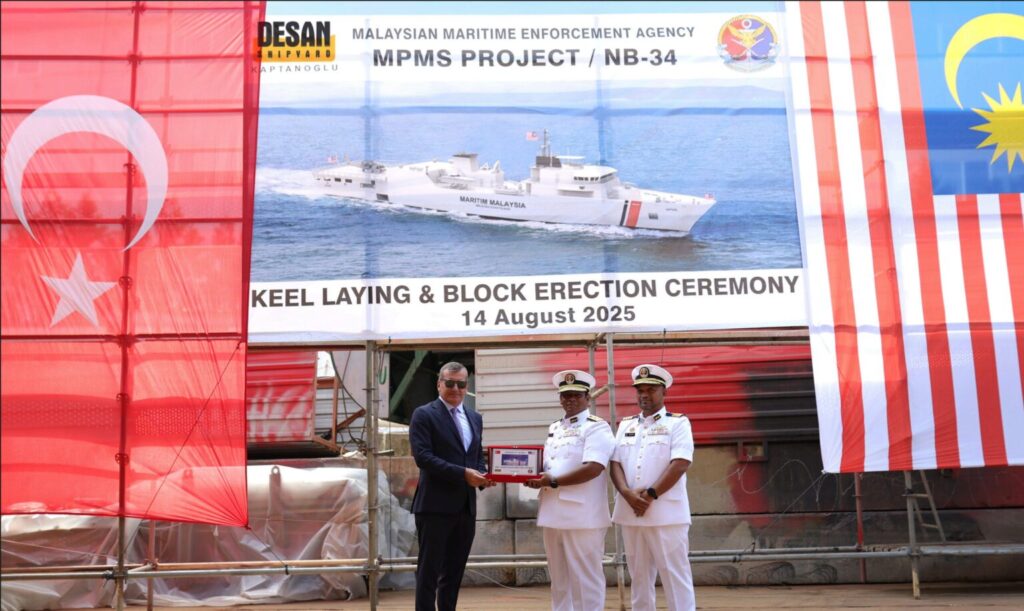
DESAN is currently building two Multi-Purpose Mission Ships for the Malaysian Coast Guard. The first vessel, MPMS-1, is planned to be delivered to Malaysia in March 2027, while MPMS-2 is expected to follow in January 2028.
The project was initiated during Turkish President Recep Tayyip Erdoğan’s visit to Malaysia on February 11, 2025, when a preliminary acceptance letter was signed between DESAN Chairman Cenk Kaptanoğlu and the Secretary General of Malaysia’s Ministry of Home Affairs.
The ships are designed to strengthen Malaysia’s maritime security and law enforcement capability. They are expected to support long-endurance patrols, search and rescue missions, anti-smuggling operations, border security, illegal fishing prevention and response to foreign vessel intrusions.
BAHA for Maritime Security Missions
As part of the program, Malaysia will also acquire HAVELSAN’s BAHA UAVs for use with the DESAN-built ships.
BAHA’s vertical take-off and landing capability makes it suitable for shipborne operations, especially on coast guard vessels where runway infrastructure is not available. The UAV is expected to support maritime surveillance, reconnaissance, target detection and wider area monitoring missions.
With BAHA, the Malaysian Coast Guard will be able to extend the sensor range of its MPMS vessels beyond the ship’s own radar and optical systems. This will allow crews to monitor suspicious activity, inspect maritime traffic and gather real-time intelligence without immediately deploying manned aircraft or boats.
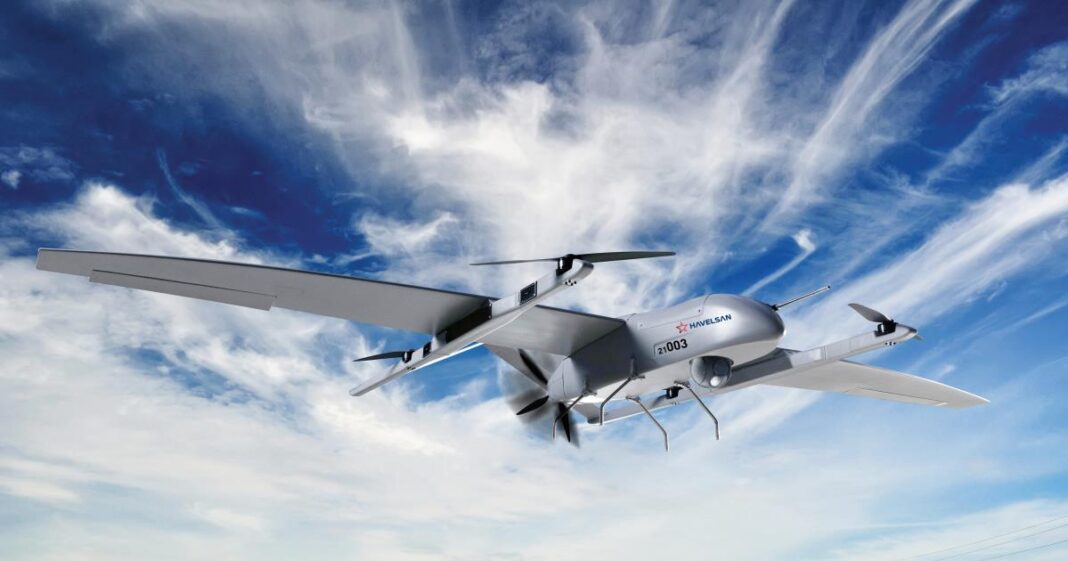
HAVELSAN BAHA
BAHA is a sub-cloud autonomous UAV developed by HAVELSAN for intelligence, surveillance and reconnaissance missions.
The platform does not require a runway and can conduct fully autonomous vertical take-off and landing. Its modular architecture allows different payloads to be integrated depending on the mission.
BAHA has a maximum take-off weight of 28 kg and can carry a 2 kg payload. The electric-powered UAV has a 4-meter wingspan, 2.1-meter length, and can cruise at 75–80 km/h. It offers up to 2 hours of endurance and a data link range of up to 50 km.
The system can operate at an altitude of up to 10,000 feet, with an operational altitude of 8,000 feet. It can fly in temperatures between -10°C and +50°C and operate within 15-knot wind limits during take-off and landing and 25-knot limits during cruise.
With its EO/IR/LRF integrated camera system, BAHA can perform day and night reconnaissance, surveillance and target detection missions. The platform is also designed to operate in GNSS-denied and jamming environments, which is important for modern military and maritime security operations.
Strategic Importance
The integration of BAHA into Malaysia’s DESAN-built MPMS vessels is important for both Türkiye and Malaysia.
For Malaysia, the UAV will improve maritime domain awareness and give the Coast Guard a more flexible surveillance capability at sea.
For Türkiye, the project shows that Turkish defense exports are moving beyond shipbuilding alone. The package now includes naval platforms, unmanned aerial systems, mission electronics and integrated maritime security solutions.
With DESAN’s MPMS vessels and HAVELSAN’s BAHA UAVs, Türkiye is offering Malaysia a broader operational ecosystem for maritime security missions in the Asia-Pacific region.